

The assignment.
We’ve been tasked at school to create a game concept for one of four clients and deliver a playable prototype as proof of concept. The client that interested us most is Impactmakers. On their website, they offer a questionnaire that helps artists see how their work maps onto nine impact dimensions. By answering targeted questions, artists can better understand and communicate their projects’ impact. Impactmakers now wants us to make this questionnaire more interactive—something that stands out and turns filling it out into a memorable experience.
The idea.
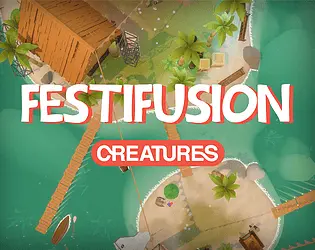
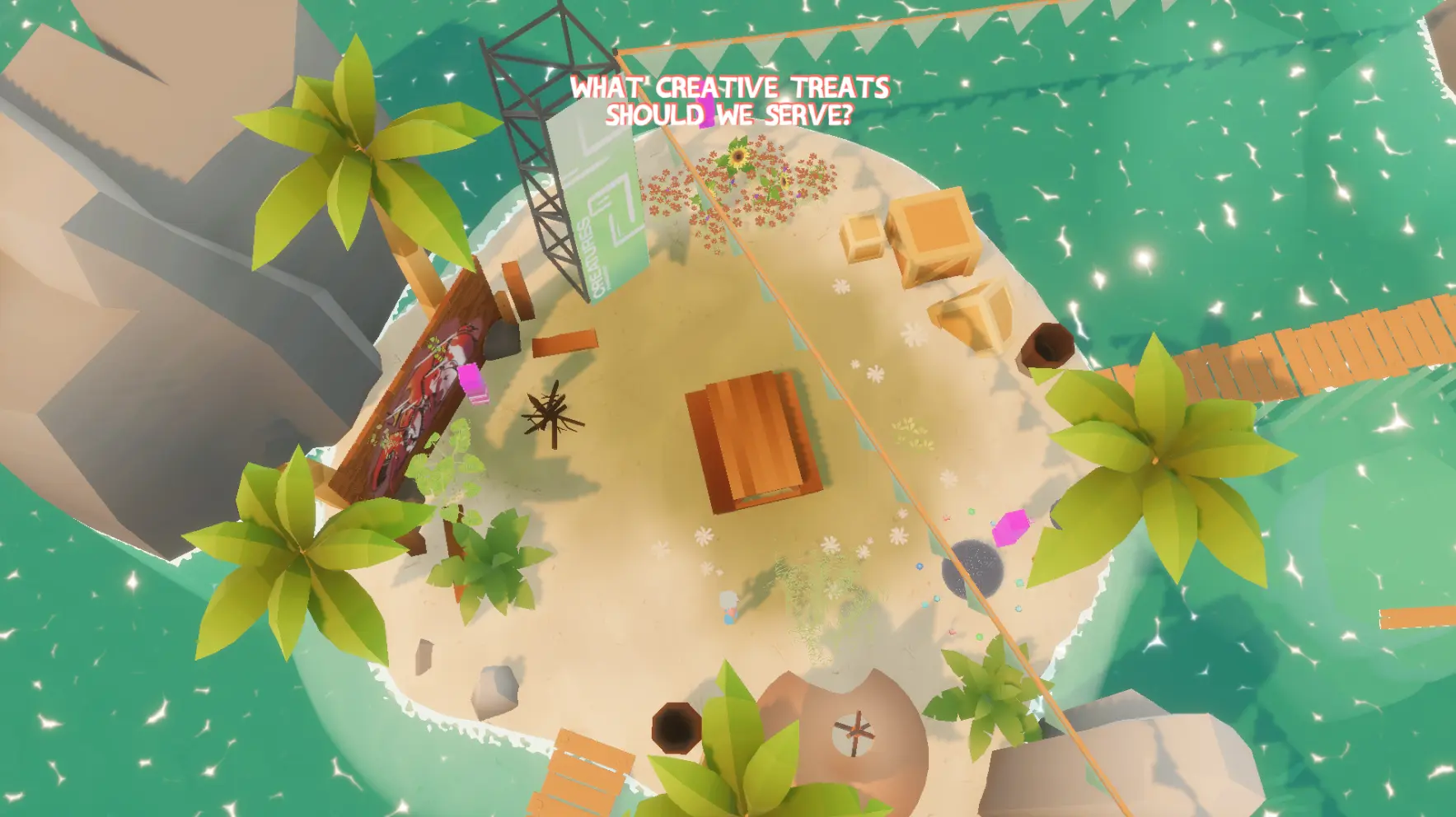
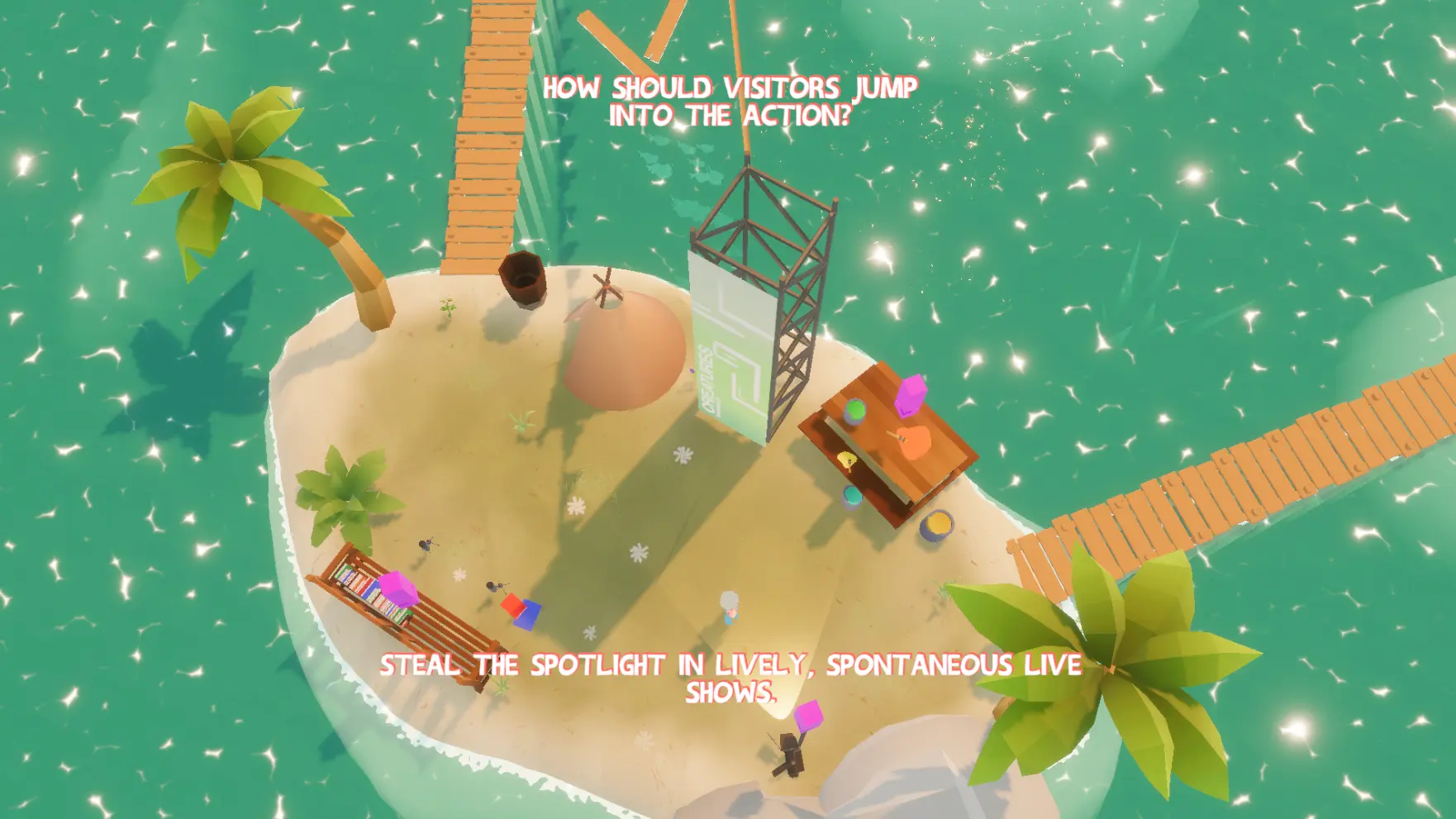
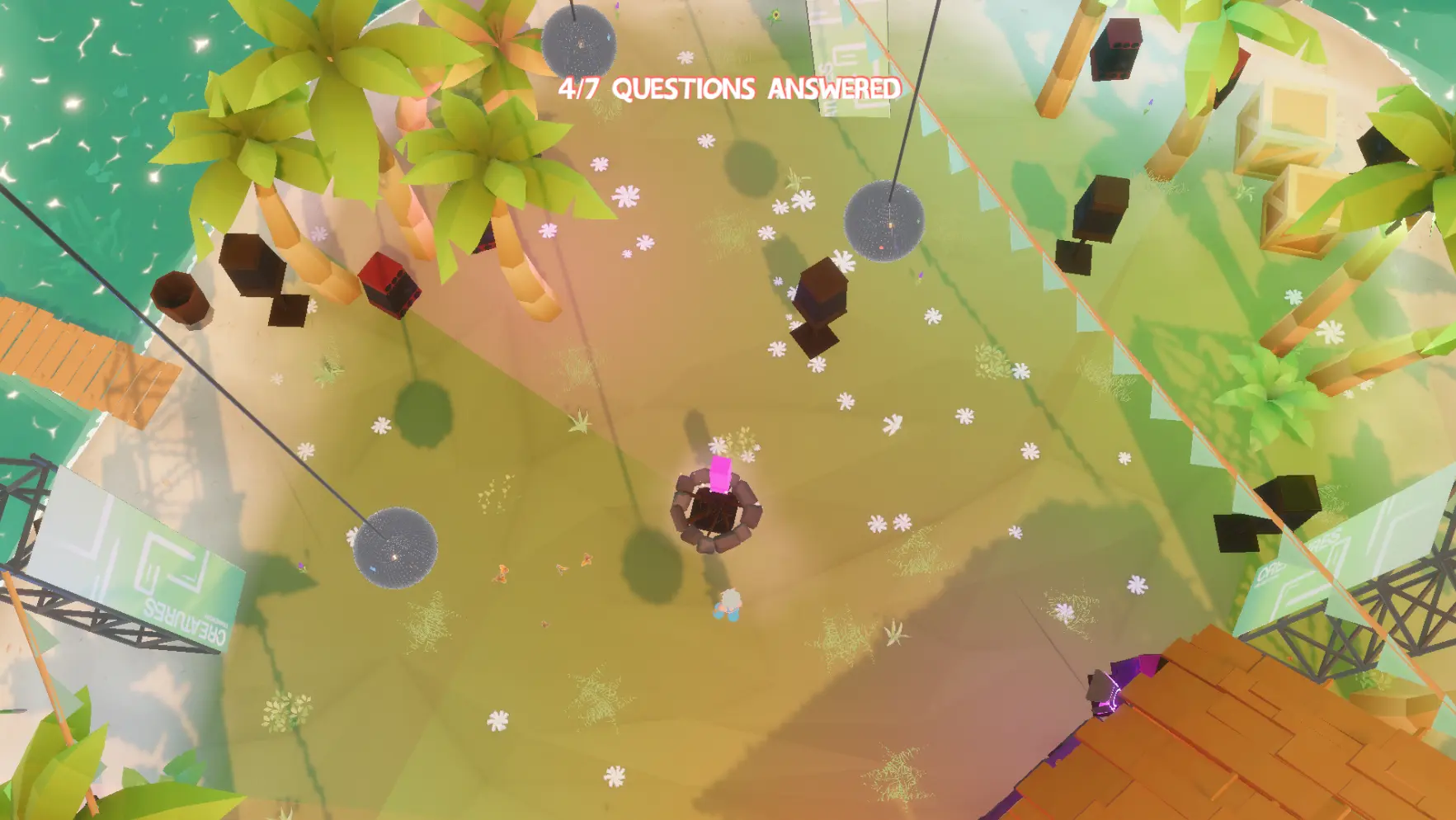
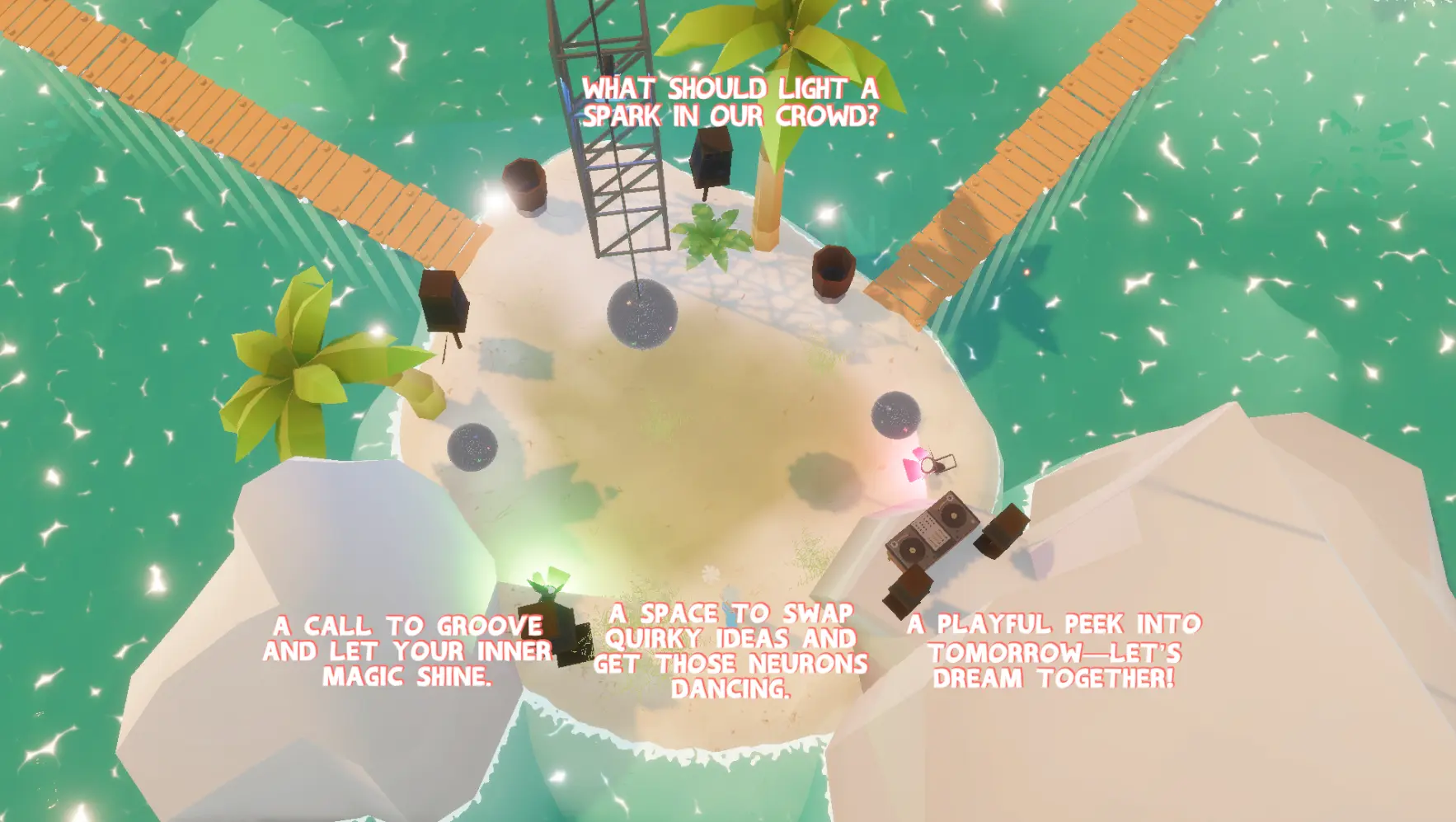
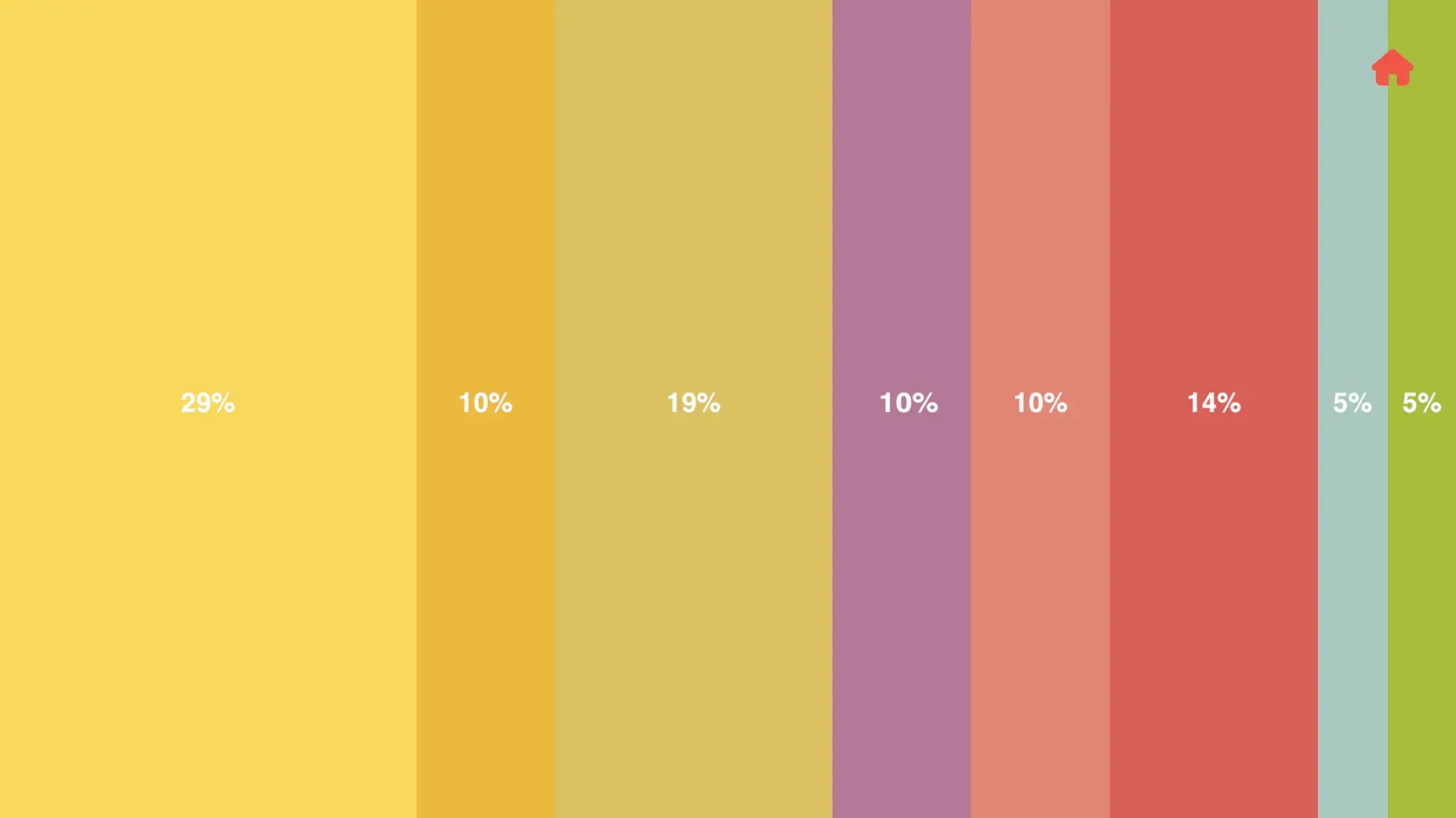
In Festifusion you play as an artist building your own festival. You explore a unique island and answer seven questions—each choice changes the festival’s look and vibe. Will you create a high-energy, music-driven party or a calm, meditative retreat? Every decision ties back to oneof nine impact dimensions. Once you’ve answered all the questions, you’ll see which dimension suits you best as an artist. Be honest, have fun, and craft the festival that fits you! each option activates its own set of game objects—and all selections are saved and carried over to the results screen, where they adjust the corresponding slice percentages. Most assets were sourced from free asset packs.
Some in-game screenshots.
My contributions.
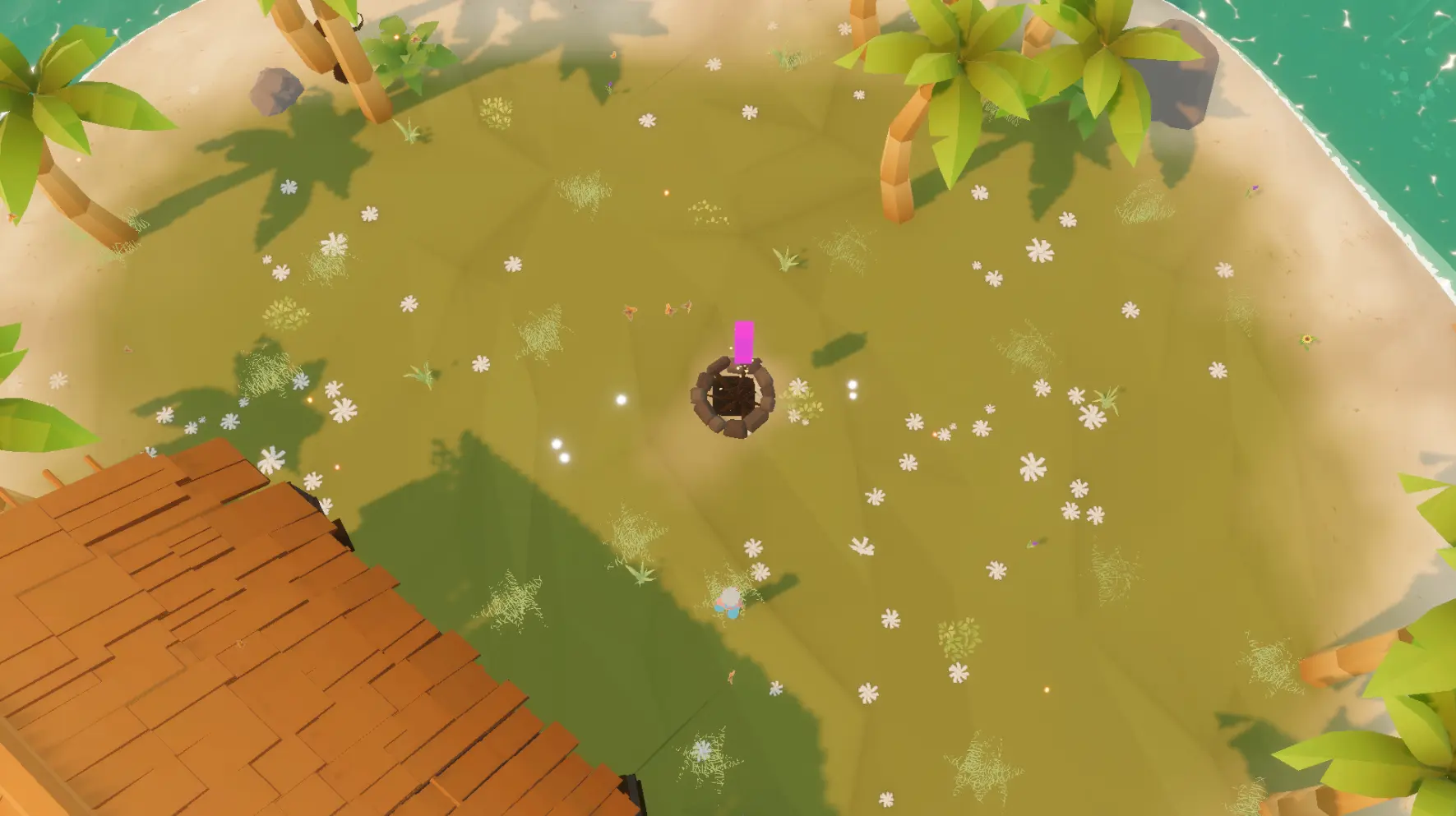
For this project, I took full ownership of both the technical and creative implementation, starting by setting up the Unity project from scratch and configuring HDRP to achieve high-quality visuals. I established and managed the GitHub repository to maintain a clear development workflow, then designed and programmed every user interface element—from the title and menu screens to the in-game HUD—and built the core quiz system that drives player interaction. On the level-design side, I constructed roughly 90% of the main environment, created several custom 3D models, and wrote all of the quiz questions to ensure they felt engaging and relevant. I also handled all polish tasks, rigorously testing and fixing bugs, designing and printing the project poster, and finally building and publishing the game on Itch.io. Through this process, I deepened my expertise in Unity development, HDRP setup, and collaborative Git workflows, and I particularly enjoyed the challenge of crafting a cohesive experience—from the dynamic end screen reveal to the streamlined deployment pipeline.
Itch.io linkMain menu and result menu demo.
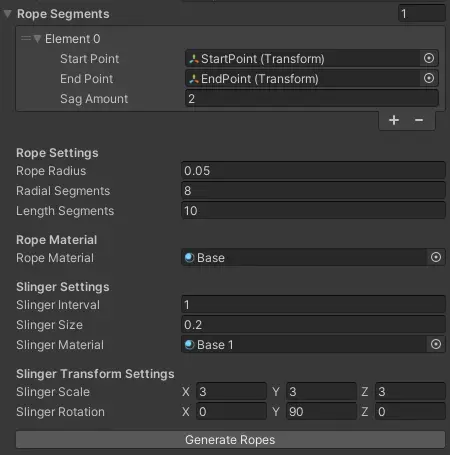
Slinger mesh generator.
One of the things I programmed for this project was a slinger generator. On one of the islands there is a question where banners appear and in between these we wanted slingers. As placing this by hand would be insane I decided to create a script using Unity's mesh generation capabilitys.
How it works:
Stylized water shader.
For this project, I created a stylized water shader using Unity’s Shader Graph, built from five key systems: water normals for surface movement, depth-based color blending, foam near shorelines, dynamic ripples, and subtle distortion. The shader reacts to depth to fade between deep and shallow colors, uses animated noise and Voronoi patterns for foam and ripples, and combines layered normal maps for a fluid surface feel—all fully customizable with exposed parameters.